When to Nod and When to Shake Hands
Nod or handshake: choose a greeting that fits the setting, respects personal boundaries, and keeps introductions smooth without treating gestures as hidden messages.
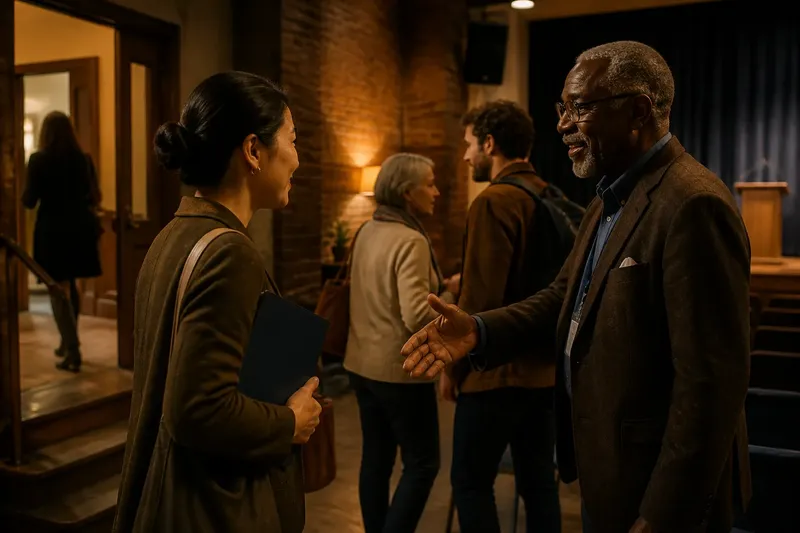
A greeting can make an introduction feel easy or put someone on the spot. When choosing a nod or handshake, consider the encounter’s purpose, the other person’s available attention, and whether physical contact is welcome. The gesture is a small part of a larger exchange, not a verdict on anyone’s warmth or respect.
Greetings also work as learned social forms. At a reception, a handshake may mark a formal introduction; among teammates arriving for a routine meeting, a nod and “Good morning” may be the familiar opening. The meaning comes from the people and the occasion, not from a universal code.
What does a nod or handshake ask of the other person?
A nod is brief and leaves room to keep walking, listening, or working. Paired with a spoken hello, it can acknowledge someone without asking them to stop. That makes it useful in passing encounters and situations where a person’s hands or attention are occupied.
A handshake requires both people to orient toward each other and coordinate a moment of contact. It can give an introduction a clear beginning, especially when a host presents two people who have not met. It does not automatically mean closeness, confidence, or approval.
Think of the difference as choosing between a bookmark and opening a book together: one marks a moment, while the other invites a more deliberate exchange. A nod is not inherently colder, and a handshake is not inherently warmer. Either can feel courteous when it fits the occasion and respects the people involved.
How can you choose a greeting in the moment?
Start with the practical situation rather than trying to decode personality. Notice whether the encounter is a passing hello, a formal introduction, or the beginning of a conversation. Then choose a greeting that acknowledges the person without interrupting their movement or assuming they want contact.
- Someone is carrying boxes: If their hands are occupied, say hello or nod; if they set the boxes down and turn toward you, a handshake may be easier to offer.
- A host introduces you to a guest: If the guest pauses and faces you, offer a handshake; if they keep moving or greet you verbally, respond in kind with words and a nod.
- You pass a familiar neighbor on the stairs: If neither of you stops, use a nod or brief hello; if they pause to talk, turn toward them and continue the conversation.
- A group is already taking seats: If the meeting is starting, greet the person verbally without reaching across the table; if the group pauses for introductions, follow the host’s pace.
- The other person offers a hand: If you are comfortable with contact, accept briefly; if you prefer not to, say hello and offer a nod instead.
- You are unsure how formal the gathering is: If people are greeting one another with handshakes, you may offer one when introduced; if the group is using spoken greetings, a clear hello is enough.
These are practical choices, not rules for every culture or group. Local customs differ, and a person’s stated preference matters more than a general expectation about what counts as formal.
What should you notice before interpreting a greeting?
Separate visible actions from guesses about intent. A person may be walking quickly, holding a folder, speaking to a host, or turning toward the next speaker. Those details tell you what the moment allows; they do not tell you exactly what the person feels.
Say you arrive at a community meeting with a folder in one hand. A person you have only emailed is greeting newcomers with “Hi” and moving toward a chair. You say hello and nod, keeping the folder in hand. If they pause and offer a handshake, you can respond; if they continue to their seat, the greeting is already complete. The observable result is a smooth acknowledgment that does not interrupt the group’s arrival.
Words can clarify what a gesture leaves open. “Good to meet you” makes a first encounter clear, while “I’m glad you made it” signals welcome without requiring touch. If a gesture seems different from someone’s usual manner, avoid treating one moment as evidence of a changed relationship. Ask how they are doing if there is a real reason to check in.
What questions do people ask about nods and handshakes?
Is a handshake always more formal than a nod?
No. A handshake can mark a formal introduction, but some groups use it casually, while others rely on spoken greetings or nods in formal settings. Follow the occasion’s local practice when you can see it.
What can you do if you do not want to shake hands?
Offer a friendly verbal greeting and a nod, or briefly say that you prefer not to shake hands. You do not need to explain a personal boundary, and the other person should not press for a reason.
Should you copy the other person’s gesture?
Following their lead can help if the gesture feels comfortable and suits the moment. If it does not, a clear hello gives them an acknowledgment without requiring you to match it.
What if people in the group use different greetings?
Use words to make your own greeting clear, then respond to each person’s preference without turning the difference into a contest. A group can welcome newcomers with handshakes, nods, and spoken greetings side by side.
How do custom and access shape the choice?
Greeting customs vary between families, workplaces, communities, and cultural settings. In some places, a handshake is a familiar way to begin an introduction; elsewhere, it may be uncommon or unsuitable. When you know the host’s custom, follow it where comfortable. When you do not, a spoken greeting is a flexible opening that leaves the other person room to respond.
Physical contact can also be affected by mobility, comfort, health concerns, or personal boundaries. You do not need to identify the reason someone declines a handshake. Accept the response and continue the conversation normally. If you are the person declining, a warm tone and an alternative greeting can make your preference clear without turning it into a lengthy explanation.
When the cues are mixed, choose a brief greeting that acknowledges the person and does not demand a particular response. For nod or handshake, the useful question is what fits the encounter and respects the people in it. A greeting can open the door to conversation, but what follows—the attention, words, and consideration people offer—is what gives the exchange its meaning.